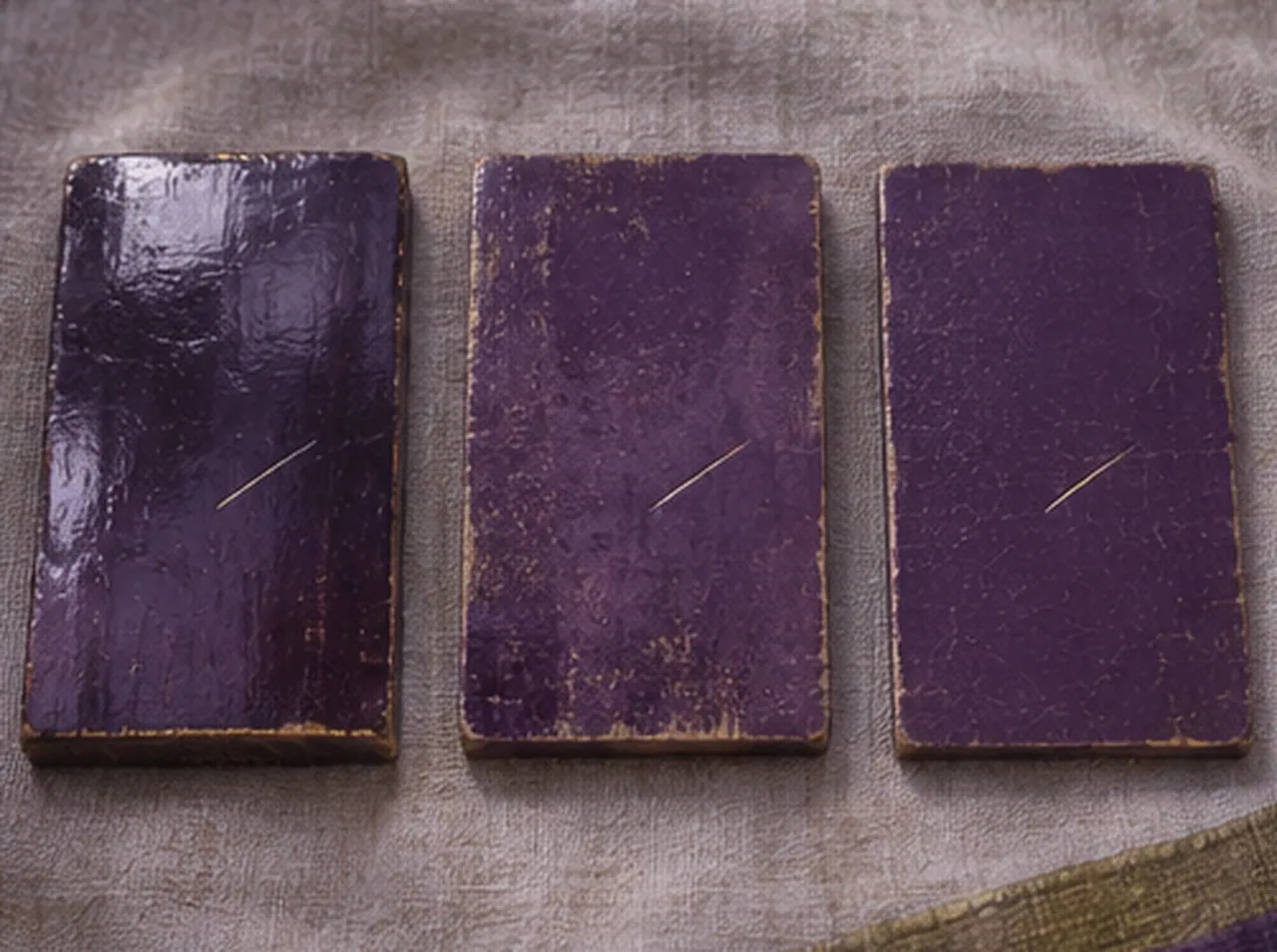
A Scratch That Appears Twice
The keeper’s ring and the bracket near an old shelf share an angled scratch. We let a first observer inspect both under the same low light. The resemblance was almost exact until one piece could be turned. A rough crease near the end of the second scratch remained in any orientation. The trial that followed took three lacquer samples and put them on a movable board, where the apparent repeat could be inspected without expecting every nearest match to lead to a keeper.
Identify the side that received the contact
The scratch on the ring reaches the near face of its bevel. A shelf bracket holds the apparent matching scratch a little below a raised edge. Place the two in the light without lining up their bright sides first. Use the edge angle to decide where a tool would have touched each object. A close drawing can mark the first spot that comes into contact when a strap shifts. The scratch on the face can resemble the one behind the bracket while having been made from another direction. The missing angle between edge and surface may explain why the marks behave differently when turned.
Draw a routine source for a repeated shape
Add a third sample from the part of the lock people use every day. The new example carries the short angled crease anywhere a strap can swing past a raised point. It offers a possible ordinary cause for a mark that had looked unique. Mark on the Guardian Ring uses the difference between universal wear and the bend of one repair to guide a walk through likely storage bays. Naming a routine source lets the player keep the comparison without using it to assign one specific former custodian too soon.
Keep an unusual feature available
The part that could survive a move was a tiny flare close to the deep end of one scratch. If the light moves farther left it is the last part to dim. We kept a larger chamfer on the wrong sample to see whether a quick comparison would conflate the two. A stable edge of the ring provides orientation before the player chooses whether to put the samples together. This makes looking for the small tip a particular action. The person can describe it without guessing how the whole object arrived at the shelf.
Use the room to make a fair correction
Put the bracket on the wall where an ordinary latch can brush it. A player who thought its scratch matched the ring now has a reason to watch the latch turn. Let the earlier entry remain as a working note on the route, so they can change their inference without losing the view that prompted it. The Unnumbered Storage Walk follows another return to a shelf where a small feature can be checked from a certain direction. Placing the new observation beside the old is more useful than revealing a pass or fail indicator from outside the fiction.
Record what was checked
We can learn from the final drawing if it names which edge met the strap and how the tiny flare was illuminated. If the proposed trace could have come from ordinary use, describe the contact through a turn of the latch. That leaves the record fit to be reopened by somebody who enters from the other side of the room. A compelling scratch can start a route and still need a further piece of evidence before it names the shelf. The ordinary bracket remains part of the story because it gives the traveler a fair explanation for why two surfaces initially seemed to agree.