Three Ways to Tell the Handoff
A person beside a service rail sees a parcel change position. A second arrives after the move and notices whose hands were empty. The one who wrapped the parcel can describe how the cord passed over the edge. In this study all three speak about the same afternoon. They tell it in different orders because they were paying attention to different things. We need a records screen that keeps track of where a memory touched an event so that the order in which a player reads statements does not decide what happened.
Start at the part somebody handled
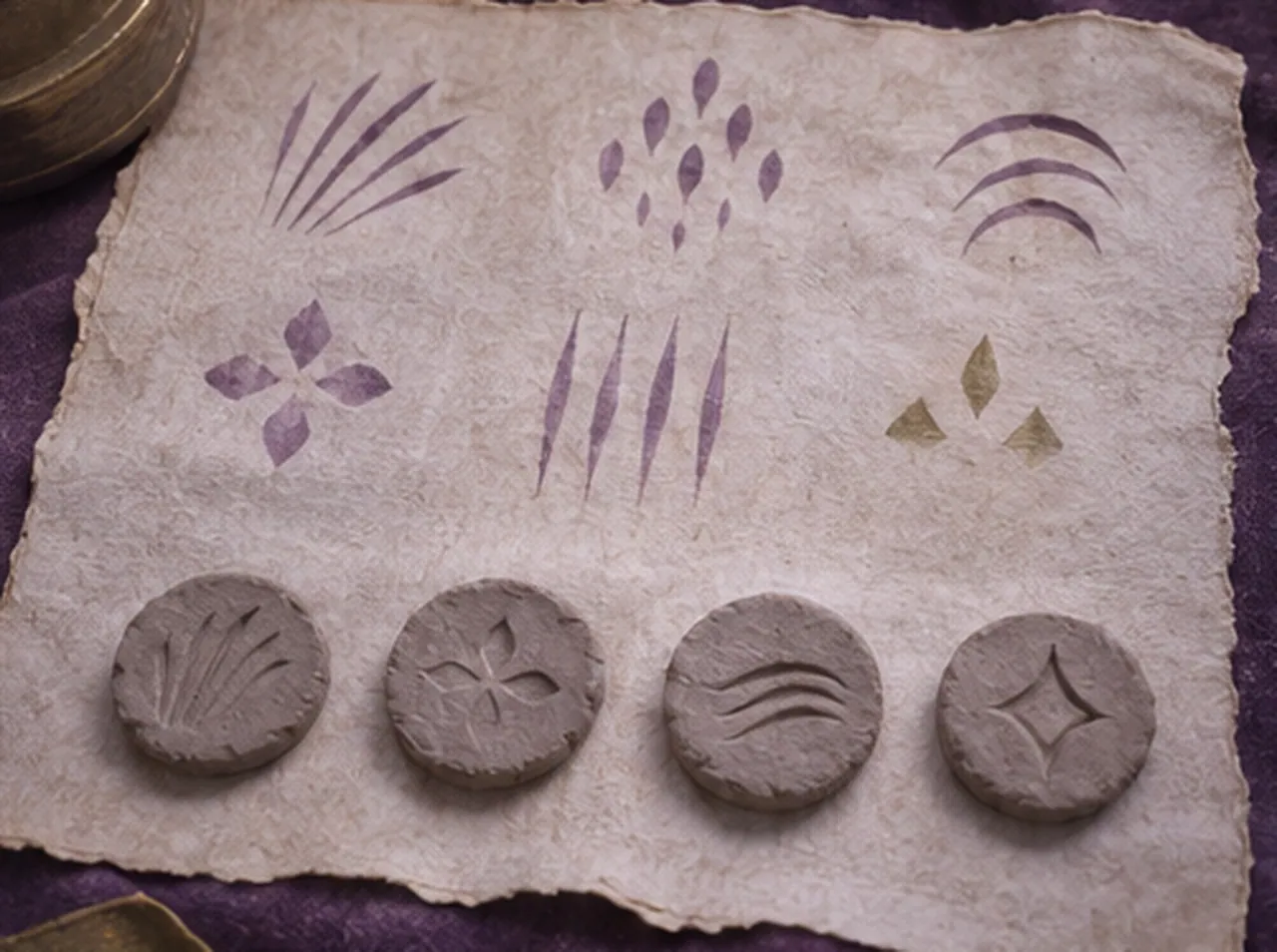
The wrapper can describe the parcel only as far as the east rail. Give that speaker a way to point down at the cord and show it from behind a hand. They can remember tying an odd knot, so the player has a mark they could recognize later. Stop the account at the moment the wrapper cannot see the packet anymore. A design note can put a stop in the records screen without declaring the rest of the afternoon missing. The account supports the location and condition of a thing at that moment. The rest is a question the next observation may answer.
Give the late arrival a valid detail
The late arrival begins with a table that looks clear except for a clipping of fabric. This witness can say which seat offered a view of that clipping. They may also have heard a name during the afternoon without knowing what happened at the rail. The prototype puts the fabric clipping along the relevant edge of the table. Its position gives the player a way to compare the account with a place. If they decide the named person held the parcel, they still need a reason the clipping and the name belonged to the same moment.
Add an account from the side of the rail
The third witness sees a parcel come through a shallow opening. Their path home let them watch one end of the rail and hear a second exchange farther away. In An Artifact Changes Hands the tasks depend on knowing which side of a rail carried a mark. Let the sightline part of this account end clearly at the first passage. The later exchange can be set down as its own note, where the player may find something new without joining events too early. A tiny plan under the statement shows where reflected light reaches from inside the first room.
Arrange by what can be observed together
Three accounts can use similar movement words and describe moments out of order. We arrange their cited marks in a small column and let the player keep the sequence above it unfinished. The marks have material titles such as end of the cord or clipping at the left seat. Draw a line between observations if they point to the same state of a thing. Cup Wear before the Seal approaches the problem with an object that retains contact damage as its covering changes. That example shows how a detail can travel between stories without turning every part of those stories into the same event.
Check whether the record leaves room for doubt
At the end, a person should be able to move their timeline aside and show exactly what each witness knew. If their answer begins with who spoke first they have likely assembled the reading order. If it begins with the condition of the cord, the clipping, or the direction of the passage, it can be tested. A good prototype gives a player access to both kinds of order, with visual space left around the place where an account stops. We use their mark choices to establish which small corroboration would help the next attempt.